


- Selection includes 10th DFI backed title competing for the prestigious Palme d’Or Award, underlining the strength of emerging and established filmmakers from across the world supported by the Institute
- One film in Main Competition, three in Un Certain Regard, two in Directors’ Fortnight and one in Critics’ Week, reaffirming DFI’s mission to champion important voices and amplify authentic storytelling
Doha Film Institute (DFI) continues to champion bold global storytelling, with seven films supported through its funding programmes selected for the 2026 Cannes Film Festival (May 12–23). The films span the festival’s Official Selection, In Competition and Un Certain Regard, in addition to selections in the parallel sections of Critics’ Week (La Semaine de la Critique) and Directors’ Fortnight (La Quinzaine des Cinéastes).
Fatma Hassan Alremaihi, Chief Executive Officer of DFI, said, “This recognition at Cannes is not just a celebration of cinema—it is a powerful reminder that courageous, authentic storytelling matters now more than ever. In a world marked by uncertainty and division, cultural connection remains one of our most enduring beacons of hope. At Doha Film Institute, our commitment is unwavering, standing beside storytellers, and ensuring that vital stories continue to be told, no matter the circumstances. By consistently supporting important voices, we help bring balance to the global cultural landscape. We are proud to champion those shaping the narratives of our time, bringing us closer together through work that carries both conscience and consequence.
Leading the selection is Parallel Tales (France, United States, Italy, Belgium), co-financed by DFI and directed by two-time Academy Award winner Asghar Farhadi. Premiering In Competition, the French-language drama stars Isabelle Huppert, Vincent Cassel, Catherine Deneuve and Adam Bessa among others, and follows a renowned author whose search for inspiration among her neighbour’s takes an unexpected turn.
In Un Certain Regard, three DFI-supported films present powerful, character-driven stories:
- Yesterday, The Eye Didn’t Sleep (Belgium/Lebanon/Palestine/Qatar/Saudi Arabia) by Rakan Mayasi unfolds in a valley shrouded in fog and tribal codes, two sisters go into the night as an offering. Between blood, memories and silences, they try to contain the fire that threatens to spread.
- Strawberries (Morocco/France/Spain/Belgium/Qatar) by Laïla Marrakchi follows two Moroccan women working in Spain who confront exploitation and fight for justice.
- Ben’imana (Rwanda/Gabon/France/Norway/Qatar) by Marie-Clémentine Dusabejambo explores reconciliation in post-genocide Rwanda through a survivor forced to face her own past.
In Directors’ Fortnight (La Quinzaine des Cineastes):
- 9 Temples to Heaven (Thailand/Singapore/France/Norway/Qatar) by Sompot Chidgasornpongse follows a family pilgrimage that reveals generational tensions against the backdrop of Thai spiritual tradition.
- Red Rocks (Portugal/France/Italy/Spain/Qatar) by Bruno Dumont focuses on intense rivalry between local kids and summer visitors on the French Riviera, culminating in a "Romeo and Juliet" romance amidst dangerous, daredevil cliff-jumping competitions.
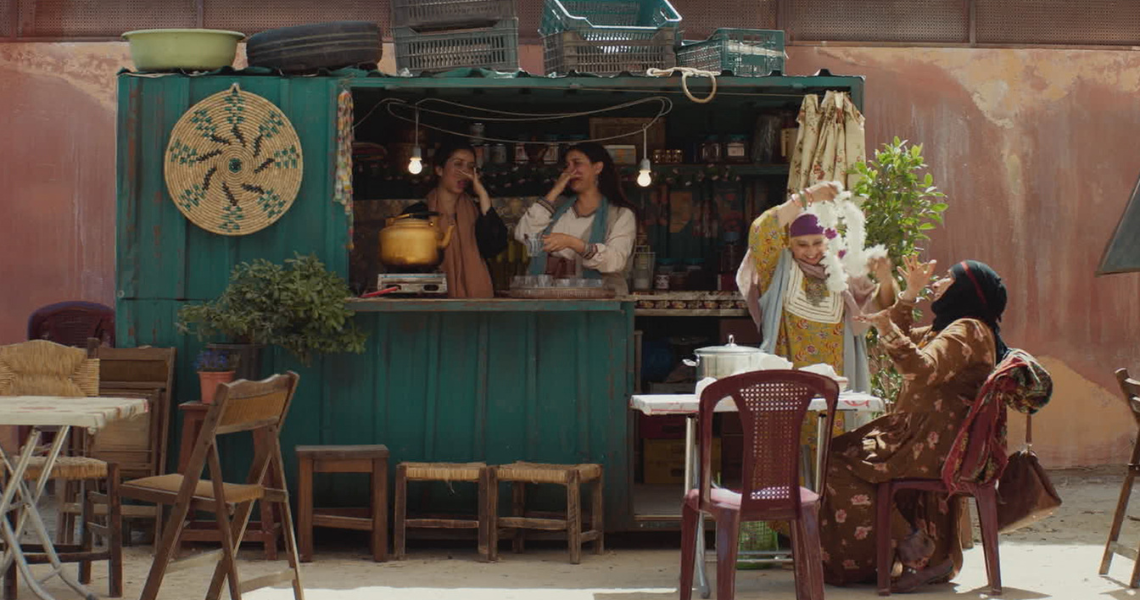
Selected to the Critic’s Week (La Semaine de la Critique) is The Station (Yemen/Jordan/France/Germany/Netherlands/Norway/Qatar) by Sara Ishaq, set in a women only petrol station in Yemen where war tests the bonds between siblings.
Spanning a wide spectrum of genres, styles, and cultural narratives, this year’s selected films reflect the richness of global storytelling and reaffirm the Institute’s commitment to nurturing bold, original voices in world cinema. DFI has also achieved a first for a regional film organisation with its 10th co-financed film selected for the Official ‘In Competition’ section. Previous projects are Renoir by Chie Hayakawa; Memoria by Apichatpong Weerasethakul; About Dry Grasses by Nuri Bilge Ceylan; Jessica Hausner's Club Zero; Banel E Adama by Ramata-Toulaye SY; Elia Suleiman’s It Must Be Heaven; Nadine Labaki’s Capharnaüm; Asghar Farhadi’s The Salesman and The Wild Pear Tree by Nuri Bilge Ceylan.